
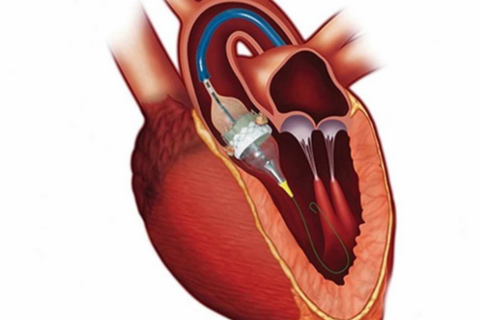
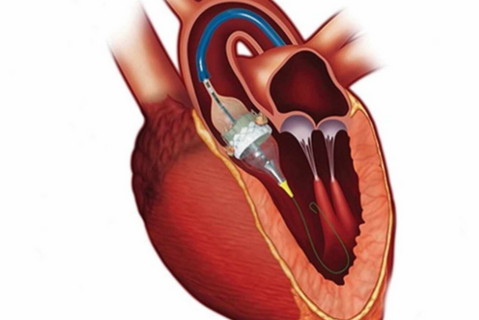
When patients first hear about TAVI, the reaction is often a mix of relief and hesitation.
There’s hope—followed quickly by questions:
“Is this actually an option for me?”
“Am I the kind of patient this is meant for?”
“Why am I only hearing about this now?”
These thoughts are especially common after being diagnosed with aortic valve stenosis. The idea of open-heart surgery can feel intimidating. Recovery can feel uncertain. And age—fair or not—often looms large in the conversation.
Eligibility for TAVI or TAVR rarely comes down to a simple yes or no. What it does offer is guidance. And for many patients, that clarity makes a difficult situation feel more manageable.
In This Content
When Is TAVI/TAVR Considered?
TAVI isn’t used for every valve condition. It has a very specific purpose.
Its primary role is in treating severe aortic valve stenosis, a condition where the aortic valve narrows and restricts blood flow from the heart. Early on, this narrowing can be subtle. People may unconsciously slow down, avoid exertion, or rest more often without recognizing why. As the condition progresses, symptoms become harder to ignore—shortness of breath, chest tightness, dizziness, and in some cases, fainting.
At that stage, valve replacement is no longer optional. It’s necessary. And that’s when TAVI may become part of the discussion.
How Eligibility Is Determined
There’s no single test or checklist that automatically determines eligibility. Instead, doctors look at the full clinical picture.
They consider:
-
How advanced the valve narrowing truly is
-
Whether symptoms are present and progressing
-
How well the heart muscle is functioning
-
Other medical conditions that could affect recovery
This process—often referred to as patient selection—is intentionally thorough. Two patients with the same diagnosis may receive different recommendations. While that can feel confusing, it reflects how personalized the decision truly is.
The Role of Age and Surgical Risk
Age is often one of the first topics raised—and understandably so. TAVI was initially designed for patients who were older or considered high risk for traditional open-heart surgery. Over time, its use has broadened, but age alone still doesn’t decide eligibility.
Doctors also evaluate:
-
Physical resilience and overall strength
-
Frailty, balance, and mobility
-
Lung and kidney function
-
Prior surgeries and medical history
Some patients in their 80s recover remarkably well after TAVI. Others, younger on paper, may not be ideal candidates. The decision is rarely about the number—it’s about how the body is likely to tolerate and benefit from the procedure.
Tests Used to Assess Suitability
Symptoms alone aren’t enough to determine eligibility. Imaging and diagnostic testing play a central role.
Most patients undergo:
-
An echocardiogram to assess valve severity
-
A CT scan to evaluate valve anatomy and blood vessels
-
Coronary angiography to check for blocked arteries
-
Blood work and routine pre-procedure assessments
These tests help ensure the procedure can be performed safely—or, in some cases, help identify why it may not be the right option. While being ruled out can be disappointing, it’s often done to avoid unnecessary or preventable risk.
When TAVI/TAVR May Not Be Appropriate
TAVI is not suitable for everyone, and that distinction matters.
It may not be recommended if:
-
The valve anatomy doesn’t allow secure placement
-
There is an active infection
-
Other valve problems require open surgery
-
A serious non-cardiac illness limits life expectancy
Being told that TAVI isn’t the right choice doesn’t mean there are no options. It simply means a different approach may be safer or more effective.
Potential Benefits for Eligible Patients
For patients who do qualify, the benefits of TAVI can be significant.
Common advantages discussed include:
-
Avoiding open-chest surgery
-
Shorter hospital stays
-
Faster return to everyday activities
-
Reduced physical strain overall
For many, this form of minimally invasive treatment feels more approachable than traditional surgery. Not effortless—but less overwhelming.
Risks and Realistic Expectations
Although TAVI is safer than open surgery for many patients, it still carries risks. These can include bleeding, heart rhythm disturbances, valve leakage, or stroke. While such complications are uncommon, they’re discussed openly during the decision-making process.
Sometimes, the balance between benefit and risk isn’t obvious. That’s where careful judgment matters more than enthusiasm for newer technology.
How Decisions Are Made
Eligibility isn’t determined by a single doctor or a single visit. Each case is reviewed by a dedicated heart team that typically includes cardiologists, surgeons, imaging specialists, and anesthetists.
Together, they review test results, discuss risks, and consider alternatives. This collaborative approach helps ensure decisions aren’t rushed and that recommendations are tailored to the individual—not just the guidelines. It also gives patients the opportunity to ask questions and take time before moving forward.
Final Thoughts
TAVI eligibility isn’t about choosing the newest or least invasive option—it’s about choosing the right one.
For some patients, TAVI is clearly the best path forward. For others, traditional surgery or medical management may offer greater safety. Understanding these options early—before symptoms worsen—can make future decisions far less stressful.