
Trying to decide between Japan and South Korea for your next international trip? You’re not alone. Both countries offer rich culture, vibrant cities, beautiful landscapes, and unforgettable food — but each delivers a very different travel experience.
Japan draws visitors with timeless traditions, scenic seasons, and deep cultural heritage. South Korea captivates travellers with modern energy, pop culture, coastal beauty, and bold flavours. If you’re unsure which destination suits you best, here’s a clear comparison to help you decide.
In This Content
1. Culture and Traditions
Both countries are culturally rich, but their identities feel distinct.
Japan is deeply rooted in history. Ancient temples, samurai heritage, tea ceremonies, and strong traditions of discipline and respect shape everyday life. Cultural experiences often feel peaceful, reflective, and timeless.
South Korea blends tradition with modern vibrancy. Historic palaces and traditional hanbok exist alongside K-pop, fashion trends, and cutting-edge technology. The culture feels dynamic, expressive, and forward-looking.
Best for:
-
Timeless heritage and tradition → Japan
-
Modern culture with historical touches → South Korea
2. Cities, Nature, and Sightseeing
Both destinations offer exciting cities and beautiful natural scenery, but their atmospheres differ.
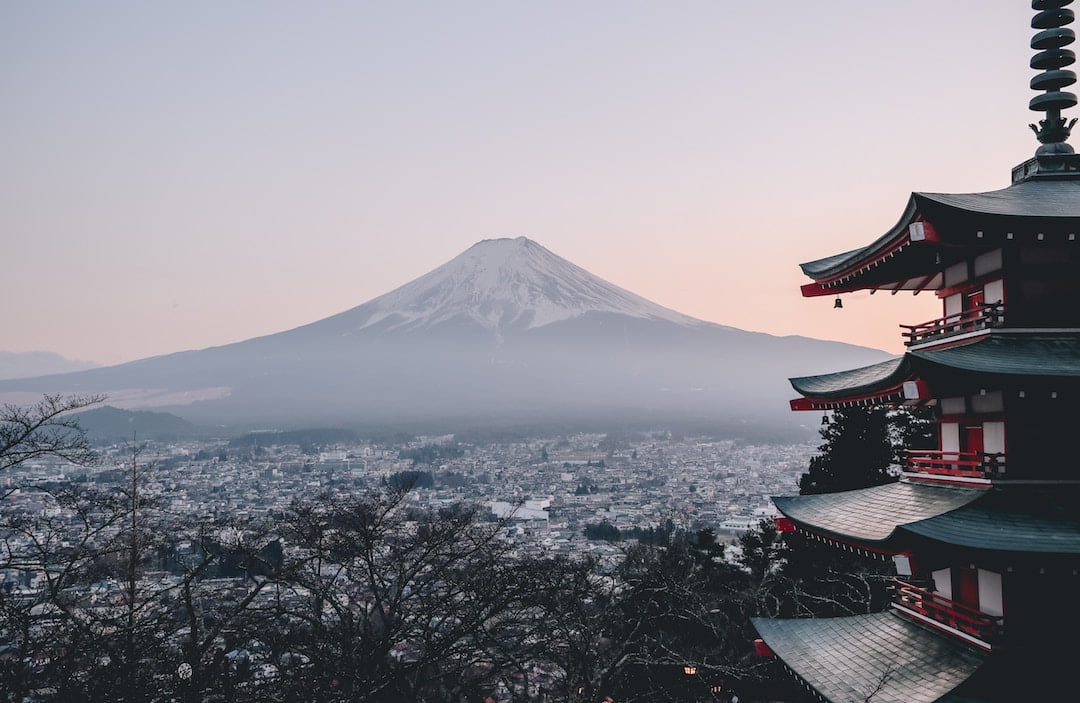
Japan is known for dramatic contrasts. Tokyo dazzles with neon lights and innovation, while Kyoto offers historic temples and quiet charm. Osaka is lively and food-focused, and Mount Fuji provides iconic natural beauty. Seasonal scenery — especially cherry blossoms and autumn foliage — transforms both cities and countryside.
South Korea also balances urban life and nature. Seoul combines nightlife, shopping, and royal palaces in one energetic city. Busan offers beaches and coastal views, while Jeju Island is famous for volcanic landscapes, waterfalls, and scenic drives.
Best for:
-
Iconic landscapes and historic sightseeing → Japan
-
Urban energy with relaxing nature escapes → South Korea
3. Food and Culinary Experiences
Food is a highlight in both countries — but the flavours and dining styles differ greatly.
Japanese cuisine is known for balance, freshness, and subtle flavour. Sushi, ramen, tempura, and regional specialities are beautifully prepared and widely available. Even convenience-store meals are surprisingly high quality.
South Korean cuisine is bold, spicy, and social. Kimchi, Korean BBQ, and tteokbokki dominate lively street food scenes. Meals are often shared, making dining a communal and energetic experience.
Best for:
-
Delicate flavours and variety → Japan
-
Spicy, bold, and social dining → South Korea
4. Travel Costs and Budget Friendliness
Both countries can be affordable with good planning, but overall costs differ.
Accommodation
Japan’s major cities can be expensive, though capsule hotels and hostels help reduce costs. South Korea generally offers more affordable hotels and guesthouses across all categories.
Food
Dining in Japan can be costly, but budget meals are widely available. South Korea offers abundant, filling street food and inexpensive local restaurants.
Transport
Japan’s transport system is world-class but relatively expensive. South Korea’s public transport is efficient and usually more budget-friendly.
Shopping and Activities
Japan’s major attractions and shopping districts can be pricey. South Korea often offers more affordable shopping and bargaining opportunities.
Best for:
-
Premium travel and luxury experiences → Japan
-
Budget-friendly travel → South Korea
5. Best Time to Visit
Both countries experience four distinct seasons and are famous for cherry blossoms and autumn colours.
Spring (March–May) and autumn (September–November) are the best times to visit both destinations for comfortable weather and stunning scenery.
Summers are hot and humid, while winters can be cold but beautiful — especially for snow lovers.
Best for seasonal beauty: Both are equally spectacular.
Final Verdict: Which Country Is Better?
There’s no single “better” destination — only the one that fits your travel style.
Choose Japan if you want:
-
Deep cultural heritage
-
Iconic landscapes
-
Peaceful traditions
-
A refined travel experience
Choose South Korea if you want:
-
Modern culture and nightlife
-
Trendy urban energy
-
Spicy food and street markets
-
A more budget-friendly trip
Both countries offer unforgettable experiences — from bustling city streets to serene natural beauty. Your decision ultimately depends on what kind of journey you want to have.
Whichever you choose, you’re guaranteed a trip filled with discovery, culture, and lasting memories.