
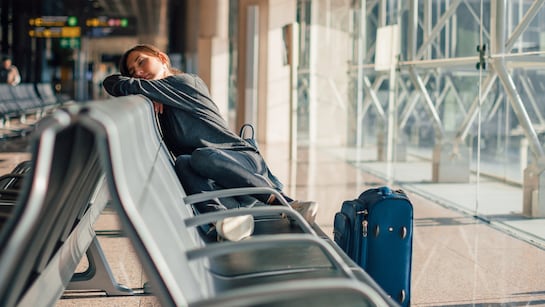
Jet lag is one of the biggest hurdles of long-distance travel. Whether you’re heading to Southeast Asia, Japan, or exploring the vibrant cultures of Central America, those first few days can make or break your trip. And nothing dampens the excitement faster than feeling exhausted, disoriented, or out of sync.
When you cross multiple time zones quickly, your body’s internal clock struggles to adjust. Experts suggest that even crossing three time zones can disrupt your rhythm, and it may take about a day per time zone to fully recover.
The good news? While jet lag isn’t completely avoidable, a few simple habits can help you adjust faster and start enjoying your journey sooner.
In This Content
1. Switch to Local Time Immediately
As soon as your journey begins, set your watch or phone to your destination’s time zone. It’s a small step, but it helps your mind start adapting early.
Try to eat, sleep, and stay awake according to the new schedule—even during the flight. Airlines often assist by adjusting meal timings and cabin lighting to match your destination.
2. Keep Yourself Hydrated
Airplane cabins are notoriously dry, which can leave you feeling fatigued and sluggish. Drinking plenty of water throughout the flight helps combat dehydration and keeps your energy levels up.
It’s best to limit alcohol, caffeine, and sleeping pills, as they can interfere with your sleep cycle and make jet lag worse.
3. Get Plenty of Daylight After Arrival
Natural light is one of the most effective ways to reset your body clock. Spending time outdoors after landing signals your body to stay awake and adjust to the new time zone.
Even a short walk in daylight can make a noticeable difference in how quickly you recover.
4. Start Well-Rested
A good night’s sleep before your trip can make the transition much easier. Beginning your journey feeling refreshed gives your body a better chance of adapting quickly.
Once you arrive, try to follow the local routine. If it’s daytime, resist the urge to nap and stay awake until evening. It might feel tough at first, but it helps establish a proper sleep pattern faster.
5. Align Meals with Local Time
Your eating schedule plays a role in regulating your internal clock. Try to eat meals according to your destination’s timing, even if you’re not very hungry initially.
Opt for lighter meals in the first couple of days to avoid discomfort and support better sleep.
6. Keep Moving During the Flight
Sitting for long periods can leave you stiff and tired. Make it a point to stand, stretch, or walk around the cabin occasionally.
Simple movement improves circulation, reduces fatigue, and helps you feel more refreshed when you land.
7. Pick Flights That Work With Your Schedule
If you have flexibility, choose flights that align with your destination’s routine. For example, arriving in the evening can help you stay awake just long enough to sleep at a normal local time.
Smart timing can make the adjustment feel far more natural.
Small Changes, Big Impact
Jet lag may be a common part of long-haul travel, but it doesn’t have to take over your trip. A few thoughtful adjustments—before and during your journey—can significantly reduce its effects.
By syncing your routine early, staying hydrated, and embracing local time as quickly as possible, you can ease into your destination feeling more energised and ready to explore.
Because the sooner your body adjusts, the sooner your adventure truly begins.