

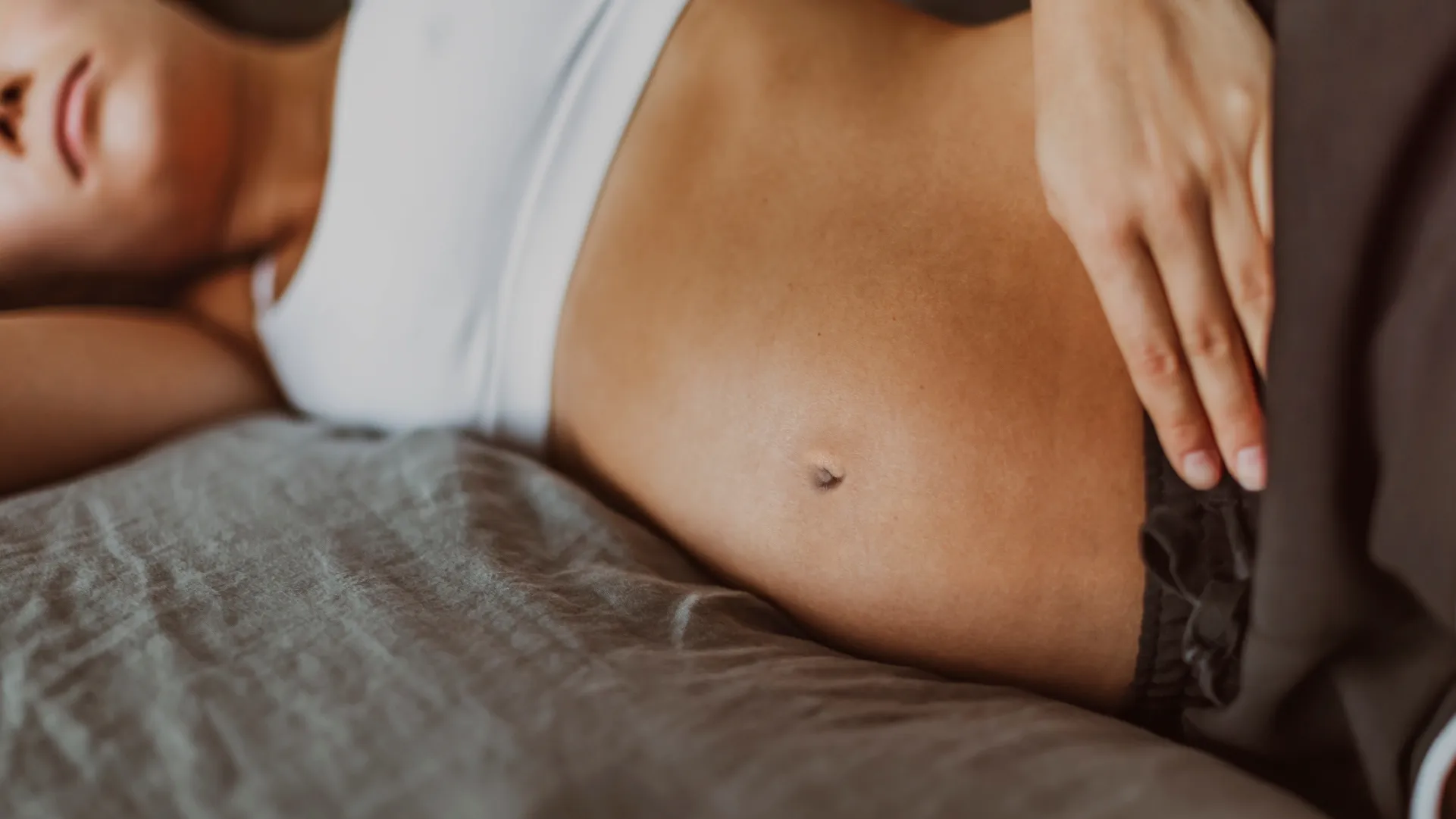
A bloated, heavy feeling in the abdomen around ovulation is something many women notice—but don’t always talk about. While it can be uncomfortable, it’s actually a common part of the menstrual cycle for those in their reproductive years.
Here’s a clearer look at why ovulation can cause bloating, the symptoms to watch for, and simple ways to manage it.
In This Content
Can Ovulation Really Cause Bloating?
Yes, it can. Doctors consider bloating a normal symptom of ovulation, mainly triggered by hormonal shifts happening mid-cycle.
During this phase, your body goes through several changes:
- A spike in luteinising hormone (LH)
- Fluctuations in oestrogen levels
- A rise in progesterone
- Release of prostaglandins (hormone-like compounds)
These changes can lead to temporary water retention, which creates that swollen or tight feeling in your abdomen. For most people, this lasts only a few days.
Why Do You Feel Bloated During Ovulation?
There isn’t just one cause—several factors come together:
Hormonal fluctuations
Changes in LH, oestrogen, and progesterone can make your body hold onto extra water.
Digestive slowdown
Hormones can affect your gut, sometimes causing sluggish digestion or gas.
Food cravings
Many people crave salty or fatty foods during ovulation, which can increase fluid retention.
Ovarian changes
The follicle (which releases the egg) grows to its largest size at this time, which may cause mild swelling.
Temporary water weight
You might notice slight weight gain or fullness in the breasts and abdomen.
In some cases, persistent or severe bloating may be linked to conditions like PCOS, endometriosis, or ovarian cysts—so it’s worth paying attention to unusual patterns.
Common Symptoms During Ovulation
Bloating often comes with other noticeable signs:
- Mild to sharp pain on one side of the lower abdomen
- A feeling of fullness or heaviness
- Clear, stretchy vaginal discharge (similar to egg whites)
- Light spotting
These symptoms may last anywhere from a few minutes to a couple of days. Ovulation typically occurs around day 11 to 14 of the menstrual cycle, though timing varies.
Some women also report:
- Breast tenderness
- Heightened sense of smell or taste
- Increased sex drive
- Occasional nausea
The intensity differs—some barely notice it, while others feel discomfort until their next period.
How to Reduce Ovulation Bloating
The good news: simple lifestyle changes can make a big difference.
Stay hydrated
Drink at least 2 litres of water daily to help reduce water retention.
Adjust your diet
Cut back on salty foods and consider a low-FODMAP diet if bloating is frequent.
Eat nutrient-rich foods
Foods high in potassium and magnesium—like bananas, spinach, and avocados—can help balance fluids.
Manage stress
Yoga, meditation, or even light stretching can ease symptoms.
Support gut health
Add probiotics through foods like curd, kimchi, or fermented vegetables.
Keep moving
Light exercise like walking or yoga can improve digestion and reduce bloating.
If needed, over-the-counter pain relievers (like NSAIDs) may help—but consult a doctor before taking any medication regularly.
When Should You See a Doctor?
While ovulation bloating is usually harmless, seek medical advice if you notice:
- Bloating that disrupts daily life or sleep
- Symptoms lasting more than a few weeks
- Frequent bloating (more than 12 times a month)
- Unexplained abdominal lumps
- Severe pain that doesn’t improve
Final Thoughts
Bloating during ovulation is common, even if it often goes unnoticed or misunderstood. Understanding what’s happening in your body can make it easier to manage and less stressful to deal with.
With the right habits and awareness, most women can keep symptoms under control. But if something feels off or unusually intense, it’s always best to check in with a healthcare professional.
FAQs
1. Is it normal to feel very bloated during ovulation?
Yes. Hormonal changes can naturally lead to water retention and bloating in many women.
2. How long does ovulation bloating last?
Typically a few hours to 1–2 days, though some may feel it longer.
3. Ovulation vs. premenstrual bloating—what’s the difference?
Ovulation bloating happens mid-cycle (around day 11–14), while premenstrual bloating occurs in the days leading up to your period and may include mood swings and headaches.
4. Why do I feel unwell during ovulation?
Hormonal shifts can cause cramps, spotting, breast tenderness, and other temporary symptoms.
5. Can ovulation make you tired?
Yes, fatigue is common due to hormonal changes, especially progesterone.
6. Does ovulation pain mean it’s too late to conceive?
Not necessarily. Ovulation pain occurs when the egg is released, and conception is still possible during this window.