
IFA 2026 is shaping up to be an exciting showcase for the technology that could influence the next generation of gaming. While the event traditionally attracts attention for televisions, computers, smart-home devices, and consumer electronics, gaming technology continues to become an important part of the conversation.
What makes the latest gaming gadgets particularly interesting is that manufacturers are no longer focusing only on raw performance. Instead, they are exploring portability, immersive displays, smarter accessories, compact designs, improved connectivity, and more flexible ways to play.
For gamers considering an upgrade, these developments raise an important question: Does a better gaming setup really need to look like the traditional desk, monitor, tower, and peripherals combination?
In This Content
Gaming Is Becoming More Flexible
One of the most noticeable trends surrounding modern gaming hardware is flexibility. Players increasingly want devices that can fit different parts of their lives rather than being tied to one location.
Portable gaming PCs and handheld consoles allow users to take demanding games outside the traditional gaming room. Meanwhile, compact computers and high-performance laptops can provide desktop-style performance without requiring a large permanent setup.
This shift is particularly appealing to gamers who live in smaller spaces or frequently move between rooms or locations.
Portable Gaming Devices Are Changing Expectations
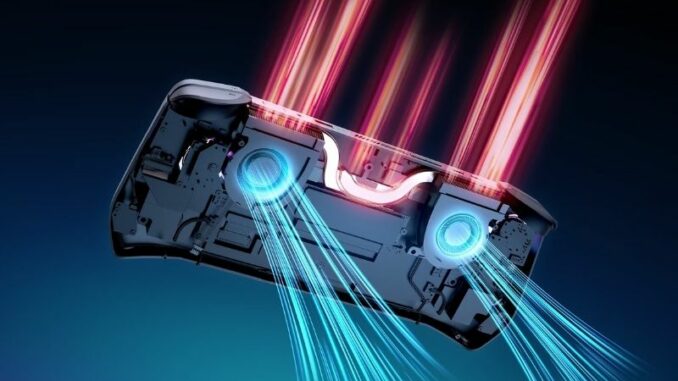
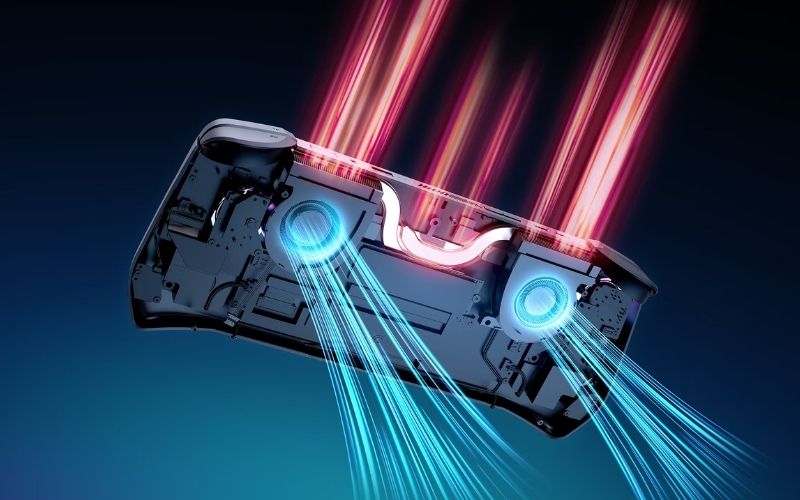
Gaming handhelds have evolved significantly. Today’s portable devices can provide access to large PC game libraries while offering controls, displays, and performance designed specifically for gaming.
The latest generation of handheld gaming hardware is also making players rethink what a gaming machine needs to be. Instead of purchasing a dedicated desktop, a gamer may choose a powerful handheld and connect it to a monitor, keyboard, mouse, or television when playing at home.
That creates a hybrid setup: portable when needed and desktop-like when desired.
High-Refresh-Rate Displays Remain Important
Displays continue to be one of the most influential components of a gaming setup.
High refresh rates can make fast-moving games feel smoother, while modern OLED and other advanced display technologies can provide strong contrast, vibrant colours, and quick response times.
IFA’s emphasis on display technology is therefore relevant to gamers even when a particular product is not marketed exclusively as a gaming monitor. A high-quality television or monitor can serve as the centre of an entertainment and gaming setup.
Gamers are increasingly looking beyond resolution alone and considering refresh rate, response time, HDR performance, screen size, and connectivity.
OLED Could Make Gaming Spaces More Immersive
OLED displays have become particularly attractive to gaming enthusiasts because of their ability to deliver deep blacks and strong contrast.
For cinematic single-player games, an OLED display can create a more immersive experience. For competitive players, fast response characteristics and high refresh rates can also be important.
The larger variety of OLED gaming monitors and televisions means gamers have more choices than they did a few years ago.
Compact Gaming PCs Are Worth a Second Look
Traditional gaming desktops can be powerful, but they can also take up considerable space.
Compact gaming PCs are changing that equation. Manufacturers are increasingly finding ways to fit powerful processors, graphics capabilities, fast storage, and efficient cooling into smaller systems.
For someone building a new gaming setup, a compact PC could free up valuable desk space while still providing the performance required for modern games.
This is especially appealing for people who use the same desk for gaming, studying, or working.
Accessories Are Becoming Smarter
A gaming setup is about more than the computer and screen. Keyboards, mice, controllers, headsets, webcams, microphones, and other accessories can significantly affect the experience.
Modern gaming peripherals increasingly incorporate features such as wireless connectivity, customisable controls, low-latency communication, improved sensors, and software-based personalisation.
Wireless technology is particularly useful for gamers who want a cleaner desk. Removing unnecessary cables can make a setup look more organised without necessarily sacrificing performance.
Better Audio Can Transform the Experience
Audio is sometimes overlooked when gamers upgrade their hardware, but a good headset or speaker system can dramatically improve immersion.
Modern gaming headsets are increasingly focused on spatial audio, microphone quality, comfort, and wireless performance. For multiplayer gamers, microphone clarity can be just as important as sound quality because communication is central to teamwork.
A well-designed audio setup can also make a gaming room more versatile for watching movies, listening to music, or participating in video calls.
AI Is Entering Gaming Hardware
Artificial intelligence is becoming an increasingly common feature across consumer technology, and gaming hardware is no exception.
AI can potentially assist with image enhancement, performance optimisation, noise reduction, streaming, content creation, and other tasks.
For gamers, the most useful applications are likely to be those that work quietly in the background. If AI can improve image quality, optimise performance, or make communication clearer without requiring constant manual adjustment, it can add practical value to a gaming setup.
However, AI features should be evaluated based on their real-world benefits rather than simply because they carry an AI label.
Connectivity Is Becoming More Important
Modern gaming setups often involve multiple devices. A gamer might use a PC, handheld console, television, monitor, smartphone, speakers, headset, and streaming equipment.
That makes connectivity increasingly important.
Modern standards can help devices communicate more efficiently and support high-resolution displays, fast data transfers, wireless peripherals, and network gaming. When choosing new equipment, gamers should therefore consider not only individual specifications but also how the device will work with the rest of the setup.
The Rise of the Multi-Purpose Gaming Space
Perhaps the biggest lesson from the latest gaming hardware trends is that a gaming room does not necessarily need to be dedicated entirely to gaming.
A single monitor can support gaming, work, study, and entertainment. A compact PC can serve as both a gaming machine and productivity computer. A handheld can function as a portable console and connect to a larger display at home.
This multifunctional approach can be particularly valuable for people who want high-quality technology without filling their homes with separate devices.
How to Rethink Your Gaming Setup
Before buying new hardware, gamers should consider what is actually limiting their current experience.
If games look outdated, a display upgrade may provide a bigger improvement than replacing the entire computer. If desk space is the problem, a compact PC or handheld could be more useful. If multiplayer communication is frustrating, investing in a better headset and microphone might make more sense.
The best setup is not necessarily the one with the most expensive components. It is the one that solves the user’s biggest problems.
Conclusion
IFA 2026 highlights a broader transformation in gaming technology. The future of gaming hardware is increasingly about flexibility, portability, immersion, connectivity, and smarter design rather than simply increasing specifications.
Portable gaming devices, advanced displays, compact PCs, wireless accessories, immersive audio, and AI-powered features are giving gamers more ways to build a setup around their lifestyle.
For many players, that may mean it is time to rethink the traditional gaming desk. Instead of asking, “What is the most powerful gaming setup I can build?” the better question might be: “What kind of gaming experience actually fits the way I live?”