

Multiple myeloma is a type of blood cancer that develops in plasma cells, a specialized type of white blood cell found mainly in the bone marrow. Plasma cells normally help the immune system fight infections by producing antibodies. In multiple myeloma, abnormal plasma cells multiply uncontrollably and can interfere with the production of healthy blood cells and other important functions of the bone marrow.
Although multiple myeloma is considered a relatively uncommon cancer, understanding its symptoms, risk factors, diagnosis, and treatment options can help patients and families recognize the condition and seek appropriate medical care.
In This Content
What Is Multiple Myeloma?
Multiple myeloma begins when plasma cells become abnormal and start multiplying excessively. These abnormal cells can accumulate inside the bone marrow and produce an abnormal protein called monoclonal protein, or M protein.
As the abnormal plasma cells increase, they can crowd out normal blood-forming cells. This may result in anemia, reduced immunity, and problems with blood clotting. The disease can also affect bones and kidneys.
The term “multiple” refers to the fact that myeloma commonly affects multiple areas of the body, particularly bones containing active bone marrow.
How Does Multiple Myeloma Develop?
The exact reason why a normal plasma cell becomes cancerous is not completely understood. Multiple myeloma generally develops through a series of cellular and genetic changes rather than from one identifiable cause.
In some people, an earlier condition called monoclonal gammopathy of undetermined significance (MGUS) can precede multiple myeloma. MGUS does not always progress to cancer, and many people with it never develop myeloma.
Researchers continue to study genetic, environmental, and immune-system factors that may contribute to the development of the disease.
Common Symptoms of Multiple Myeloma
Multiple myeloma can develop gradually, and some people may not experience noticeable symptoms in the early stages. When symptoms occur, they can vary considerably.
Common signs may include:
- Persistent bone pain, particularly in the back, hips, ribs, or skull
- Fatigue or weakness
- Frequent infections
- Unexplained weight loss
- Nausea or constipation
- Increased thirst or frequent urination
- Shortness of breath related to anemia
- Confusion or unusual tiredness in cases involving high calcium levels
Because these symptoms can occur with many other conditions, experiencing one or more of them does not necessarily mean a person has multiple myeloma.
Bone Problems and Multiple Myeloma
Bone damage is one of the most recognized complications of multiple myeloma. Abnormal plasma cells can stimulate processes that break down bone tissue.
As a result, patients may develop weakened bones, bone pain, or fractures. Some people experience back pain when the vertebrae are affected.
Doctors may use imaging tests such as X-rays, CT scans, MRI scans, or PET scans to evaluate possible bone involvement.
Effects on Healthy Blood Cells
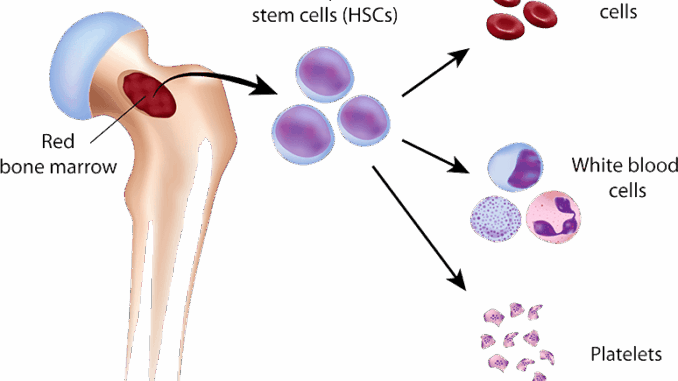
The bone marrow is responsible for producing red blood cells, white blood cells, and platelets. When myeloma cells occupy too much of the bone marrow, normal blood-cell production can be reduced.
A shortage of red blood cells can cause anemia, leading to fatigue, weakness, dizziness, or shortness of breath.
A reduction in normal white blood cells can make it harder for the body to fight infections. Low platelet levels can sometimes increase the risk of bruising or bleeding.
Kidney Problems
Multiple myeloma can affect kidney function in several ways. High levels of abnormal proteins produced by myeloma cells can place additional stress on the kidneys. High blood calcium levels and dehydration can also contribute to kidney problems.
For this reason, kidney function is an important part of the medical evaluation and ongoing monitoring of people with multiple myeloma.
How Is Multiple Myeloma Diagnosed?
There is no single test that is always sufficient to diagnose multiple myeloma. Doctors typically combine medical history, physical examination, blood tests, urine tests, imaging, and sometimes a bone marrow biopsy.
Blood tests may measure abnormal proteins, calcium levels, kidney function, and blood-cell counts. Urine testing can identify abnormal proteins associated with plasma-cell disorders.
A bone marrow biopsy allows doctors to examine plasma cells directly and determine whether abnormal cells are present.
Imaging tests can help identify bone damage or other areas affected by the disease.
Understanding Treatment Options
Treatment for multiple myeloma depends on several factors, including the patient’s overall health, age, disease characteristics, symptoms, and whether the disease is newly diagnosed or has returned after treatment.
Treatment may involve combinations of therapies rather than a single medication.
Common treatment approaches can include:
- Targeted therapy
- Immunotherapy
- Corticosteroids
- Chemotherapy
- Stem cell transplantation for appropriate patients
- Radiation therapy in selected situations
- Supportive treatments for bone disease, anemia, infections, or other complications
The treatment plan should always be determined by a qualified hematologist or oncologist.
Can Multiple Myeloma Be Cured?
Multiple myeloma is generally considered a treatable but often chronic blood cancer. Some patients can achieve deep and long-lasting remission, while others may experience periods of remission followed by relapse.
Advances in targeted treatments, immunotherapies, and other therapies have significantly expanded the options available to patients.
Researchers continue to investigate new approaches designed to improve survival, maintain remission, and potentially achieve long-term disease control.
Living With Multiple Myeloma
Living with multiple myeloma involves more than treating the cancer itself. Patients may need regular monitoring of blood counts, kidney function, bone health, and disease activity.
Maintaining communication with the healthcare team is important. Patients should discuss new symptoms, medication side effects, pain, infections, and changes in their overall health.
Nutrition, appropriate physical activity, adequate rest, emotional support, and infection-prevention measures may also contribute to overall well-being. However, lifestyle decisions should be discussed with the treating healthcare team, particularly when treatment affects immunity or bone strength.
When Should You See a Doctor?
Persistent or unexplained symptoms such as ongoing bone pain, unusual fatigue, repeated infections, unexplained weight loss, or changes in kidney function should be evaluated by a healthcare professional.
These symptoms are not specific to multiple myeloma and can have many other causes. Nevertheless, appropriate medical evaluation can help identify the underlying problem.
People who have already been diagnosed with MGUS or another plasma-cell disorder may also require periodic monitoring based on their doctor’s recommendations.
The Importance of Early Medical Evaluation
Multiple myeloma can be difficult to recognize because its symptoms may resemble those of other conditions. Blood tests and other diagnostic investigations can help doctors identify abnormalities that might otherwise go unnoticed.
Early evaluation is particularly important when symptoms are persistent, worsening, or occurring in combination.
Final Thoughts
Understanding multiple myeloma begins with knowing that it is a cancer of abnormal plasma cells that primarily develops in the bone marrow. It can affect blood-cell production, bones, kidneys, and the immune system, leading to a variety of symptoms and complications.
Although multiple myeloma can be a serious disease, advances in modern cancer treatment have provided patients with more therapeutic options and opportunities for long-term disease control. Diagnosis and treatment are highly individualized, so anyone concerned about possible symptoms should consult a qualified healthcare professional rather than attempting to diagnose the condition independently.