
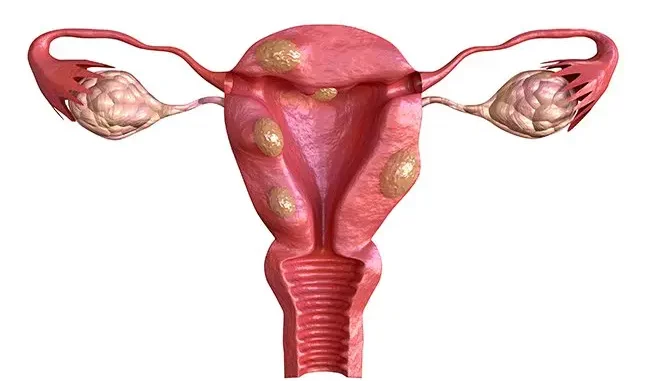

Uterine fibroids are one of the most common noncancerous growths affecting women of reproductive age. While many women with fibroids experience no symptoms, others may face heavy menstrual bleeding, pelvic pain, frequent urination, or fertility challenges. Although the exact cause of fibroids remains unclear, research suggests that genetics, hormones, lifestyle factors, and nutrition all play a role in their development.
Among the various nutritional factors being studied, vitamin D deficiency has emerged as a potential contributor to an increased risk of uterine fibroids. Scientists continue to investigate this connection, but growing evidence indicates that maintaining healthy vitamin D levels may support uterine health and potentially reduce the risk of fibroid growth.
In This Content
Understanding Uterine Fibroids
Uterine fibroids, also known as leiomyomas or myomas, are benign tumors that develop in the muscular wall of the uterus. They vary in size, number, and location. Some women may have a single fibroid, while others develop multiple growths.
Fibroids are classified based on where they grow:
- Intramural fibroids: Located within the muscular wall of the uterus.
- Submucosal fibroids: Grow beneath the uterine lining and may affect fertility or cause heavy bleeding.
- Subserosal fibroids: Develop on the outer surface of the uterus and can press against nearby organs.
- Pedunculated fibroids: Attached to the uterus by a stalk.
Although fibroids are usually noncancerous, they can significantly impact a woman’s quality of life depending on their size and location.
Why Vitamin D Matters
Vitamin D is an essential nutrient that supports many functions throughout the body. It is best known for helping the body absorb calcium and maintain strong bones, but it also plays an important role in:
- Supporting immune system function
- Regulating cell growth
- Reducing inflammation
- Maintaining muscle health
- Supporting reproductive health
Vitamin D is produced in the skin when exposed to sunlight and can also be obtained through certain foods and dietary supplements.
The Link Between Vitamin D Deficiency and Fibroids
Several studies have found that women with low vitamin D levels are more likely to develop uterine fibroids than those with adequate levels. Researchers believe vitamin D may help regulate the growth of uterine muscle cells and reduce abnormal cell proliferation.
Laboratory studies suggest that vitamin D may:
- Slow the growth of fibroid cells
- Reduce inflammation associated with fibroid development
- Influence hormones involved in fibroid formation
- Limit the production of extracellular matrix, which contributes to fibroid enlargement
While these findings are promising, researchers emphasize that vitamin D is not a cure for fibroids. Instead, maintaining healthy vitamin D levels may be one factor that supports overall uterine health.
Who Is at Risk for Vitamin D Deficiency?
Vitamin D deficiency is common worldwide, and several factors can increase the risk, including:
- Limited exposure to sunlight
- Darker skin pigmentation
- Older age
- Obesity
- Certain digestive disorders that affect nutrient absorption
- Diets low in vitamin D-rich foods
Women with one or more of these risk factors may benefit from discussing vitamin D testing with their healthcare provider.
Symptoms of Vitamin D Deficiency
Vitamin D deficiency often develops gradually and may not cause obvious symptoms at first. When symptoms do occur, they can include:
- Fatigue
- Bone pain
- Muscle weakness
- Frequent infections
- Mood changes
- Slow wound healing
Because these symptoms are nonspecific, a blood test is the most reliable way to determine vitamin D status.
Common Symptoms of Uterine Fibroids
Not all fibroids cause symptoms, but when they do, women may experience:
- Heavy or prolonged menstrual periods
- Pelvic pain or pressure
- Frequent urination
- Constipation
- Pain during intercourse
- Lower back pain
- Difficulty becoming pregnant in some cases
If these symptoms interfere with daily life, medical evaluation is recommended.
Food Sources of Vitamin D
Maintaining adequate vitamin D levels begins with a balanced diet. Foods that naturally contain or are fortified with vitamin D include:
- Fatty fish such as salmon, tuna, and mackerel
- Egg yolks
- Fortified milk
- Fortified plant-based beverages
- Fortified breakfast cereals
- Mushrooms exposed to ultraviolet light
Since food alone often does not provide enough vitamin D, sunlight exposure and supplements may also be necessary for some individuals.
Can Vitamin D Supplements Help?
For individuals diagnosed with vitamin D deficiency, healthcare providers may recommend supplements to restore healthy levels. The appropriate dosage depends on factors such as age, overall health, and the severity of the deficiency.
While some studies suggest that correcting vitamin D deficiency may help slow fibroid growth, more large-scale clinical trials are needed before vitamin D supplementation can be considered a standard treatment for uterine fibroids.
It’s important to avoid taking high-dose supplements without medical guidance, as excessive vitamin D intake can lead to health complications.
Other Factors That Influence Fibroid Risk
Vitamin D is only one piece of the puzzle. Other factors associated with fibroid development include:
- Family history of fibroids
- Hormonal changes involving estrogen and progesterone
- Obesity
- High blood pressure
- Early onset of menstruation
- Age during reproductive years
- Ethnic background, with higher rates observed in Black women
Maintaining a healthy lifestyle may help reduce overall risk and support reproductive health.
Tips for Supporting Uterine Health
While fibroids cannot always be prevented, healthy habits may contribute to overall well-being:
- Eat a balanced diet rich in fruits and vegetables.
- Include foods high in vitamin D and calcium.
- Maintain a healthy body weight.
- Exercise regularly.
- Spend time outdoors for safe sunlight exposure.
- Limit highly processed foods and excess sugar.
- Schedule regular gynecological checkups.
These lifestyle choices benefit not only uterine health but also cardiovascular and metabolic health.
When to See a Doctor
If you experience symptoms such as heavy menstrual bleeding, severe pelvic pain, rapid abdominal enlargement, or fertility concerns, consult a healthcare provider. A doctor can evaluate your symptoms using imaging tests such as ultrasound or MRI and recommend appropriate treatment options.
If you suspect you have a vitamin D deficiency, a simple blood test can determine your levels and help guide treatment if needed.
Conclusion
Vitamin D deficiency has gained attention as a potential factor that may increase the risk of uterine fibroids. Although researchers are still exploring the relationship, current evidence suggests that maintaining healthy vitamin D levels may support normal cell growth and overall uterine health. However, vitamin D should be viewed as one component of a broader approach to wellness rather than a standalone solution.
By eating a nutritious diet, getting safe sunlight exposure, staying physically active, and seeking regular medical care, women can take proactive steps to support their reproductive health. If you have concerns about fibroids or vitamin D deficiency, speaking with a healthcare professional is the best way to receive personalized advice and appropriate care.