
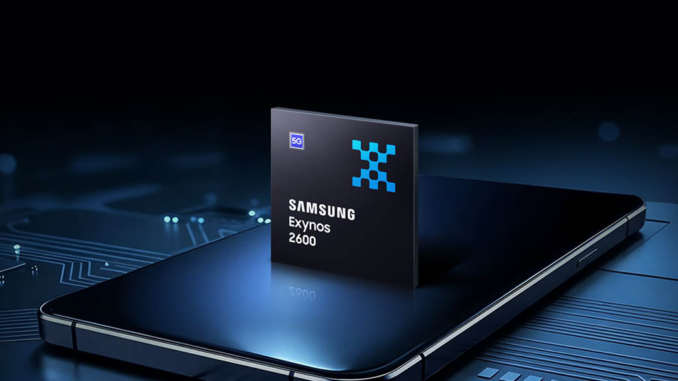
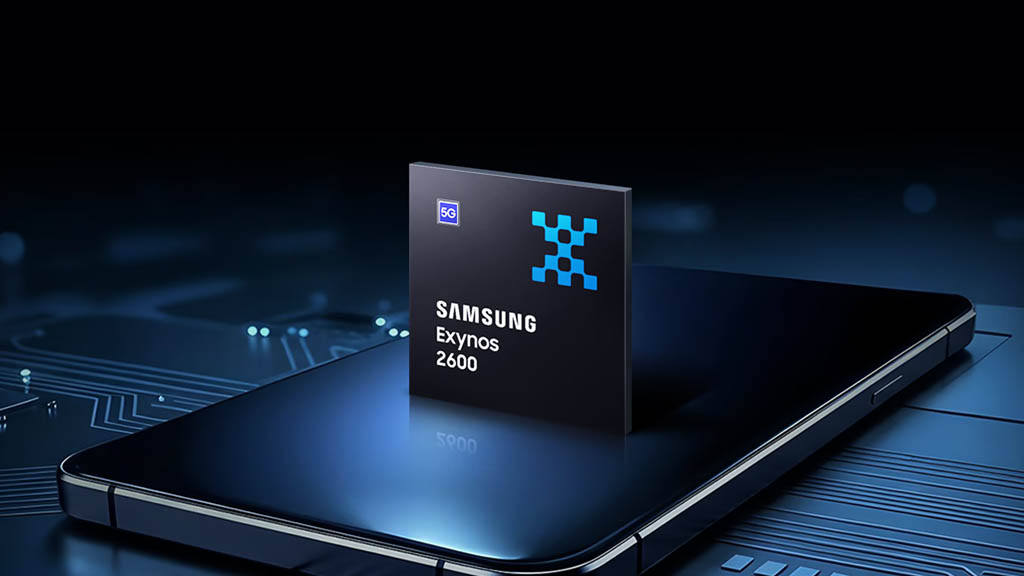
Samsung’s flagship smartphone strategy could be heading toward a major change with the Galaxy S27 Ultra. For several generations, Qualcomm’s Snapdragon chips have been strongly associated with Samsung’s most powerful Galaxy Ultra models, particularly in markets where performance and efficiency are key selling points. However, reports and speculation surrounding Samsung’s next-generation Exynos 2700 chipset suggest that the company may be preparing to give its in-house silicon a much bigger role.
If the Exynos 2700 ultimately powers the Galaxy S27 Ultra, it could mark the end—or at least the beginning of the end—of Qualcomm’s Snapdragon dominance inside Samsung’s Ultra lineup.
In This Content
Exynos 2700 Could Be Samsung’s Biggest Chip Comeback
Samsung has invested heavily in developing its Exynos processors, but recent generations have struggled to consistently match Qualcomm’s Snapdragon offerings in performance, efficiency, graphics, and thermal management. This has made Snapdragon the preferred choice for many Galaxy flagship buyers.
The Exynos 2700 could be different.
Samsung is reportedly working toward a more advanced manufacturing process and a redesigned architecture for its future flagship processor. The goal would be to improve performance while reducing power consumption and heat generation. These improvements are particularly important for an Ultra smartphone, where users expect demanding gaming, advanced photography, artificial intelligence and long battery life.
Rather than simply competing with Snapdragon on benchmark scores, Samsung appears to need a complete platform capable of handling sustained workloads without excessive heat or battery drain.
Galaxy S27 Ultra Could Become the Testbed
The Galaxy S27 Ultra would be the ultimate test for the Exynos 2700. The Ultra series represents Samsung’s highest-end smartphone category, so putting its own processor inside such a device would demonstrate considerable confidence in the technology.
An Exynos-powered Ultra model could also give Samsung greater control over the entire smartphone experience. Instead of relying heavily on Qualcomm for the processor and modem platform, Samsung could integrate more of its own technologies into the device.
This could help Samsung optimize hardware and software together. Features such as Galaxy AI, camera processing, display management and power efficiency could potentially benefit from tighter integration between the processor and Samsung’s software.
Why Snapdragon Has Been So Important
Qualcomm’s Snapdragon processors have built a strong reputation in Android flagship smartphones. Samsung has used Snapdragon chips extensively because they have generally delivered competitive CPU and GPU performance, reliable connectivity and strong power efficiency.
For consumers, Snapdragon has also become a familiar name associated with premium Android performance.
That reputation will make Samsung’s decision particularly interesting. If the Exynos 2700 can genuinely compete with or surpass the Snapdragon solution of its generation, Samsung could have a compelling reason to increase the availability of Exynos-powered Galaxy flagships.
However, Samsung would need to prove that the difference is visible in everyday use, not just in synthetic benchmarks.
Performance Will Not Be the Only Battle
The success of the Exynos 2700 will depend on much more than raw processing power.
Thermal performance could be one of the most important factors. A chip may achieve an impressive peak benchmark result but still disappoint if it quickly throttles under prolonged gaming or video processing.
Battery efficiency will be equally important. The Galaxy S27 Ultra is expected to target demanding users, and improvements in processor efficiency could allow Samsung to offer longer endurance without dramatically increasing battery capacity.
Graphics performance is another major area to watch. Modern flagship phones increasingly depend on powerful GPUs for gaming, image processing and AI-related workloads. If the Exynos 2700 makes a significant leap in graphics efficiency, Samsung could finally close one of the traditional gaps between Exynos and Snapdragon.
Samsung Could Gain More Control
Moving toward its own flagship processor could offer Samsung strategic advantages.
Qualcomm remains an important partner, but developing more of its own silicon could give Samsung greater control over its product roadmap. It could potentially optimize processors specifically for Galaxy devices rather than adapting a largely standardized platform.
There could also be financial advantages over the long term, although developing cutting-edge semiconductor technology requires enormous investment.
Most importantly, Samsung could differentiate its smartphones through hardware and software integration. Apple has demonstrated the advantages of designing processors specifically around its operating system and devices. Samsung may want to move further in that direction.
Could Snapdragon Still Survive?
Even if the Exynos 2700 appears in the Galaxy S27 Ultra, that does not necessarily mean Snapdragon will disappear completely.
Samsung has historically used different processors depending on market, model and generation. Qualcomm could continue supplying chips for certain Galaxy variants, particularly if Samsung wants to maintain flexibility in regions where carrier compatibility or modem performance is especially important.
There is also the possibility that Samsung could use Exynos in some models while retaining Snapdragon for others.
Therefore, the phrase “Snapdragon streak may end” should be viewed as a potential strategic shift rather than confirmation that every Galaxy S27 Ultra will use Exynos.
What It Means for Galaxy Fans
For consumers, stronger competition between Samsung’s Exynos division and Qualcomm could ultimately be good news.
If Samsung succeeds with the Exynos 2700, Galaxy buyers could receive a flagship processor designed more closely around Samsung’s hardware and software ecosystem. Better efficiency, improved AI capabilities and stronger graphics performance could make the Galaxy S27 Ultra a more complete flagship.
At the same time, the move carries significant risk. Samsung cannot afford to repeat the performance and efficiency disparities that affected some previous Exynos generations. The Ultra name creates extremely high expectations.
Conclusion
The Galaxy S27 Ultra and Exynos 2700 could represent a pivotal moment for Samsung’s smartphone business. After years in which Snapdragon has been the dominant choice for Samsung’s highest-end devices, a successful return to Exynos at the Ultra level would signal that Samsung believes its semiconductor technology has reached a new stage.
The real question is not simply whether the Exynos 2700 can replace Snapdragon. It is whether Samsung can deliver a processor that offers excellent performance, efficiency, thermals, connectivity and AI capabilities at the same time.
If it can, the Galaxy S27 Ultra could become more than another yearly upgrade. It could mark the beginning of a new era in Samsung’s flagship strategy—and potentially the end of Snapdragon’s long-running streak at the top of the Galaxy lineup.