
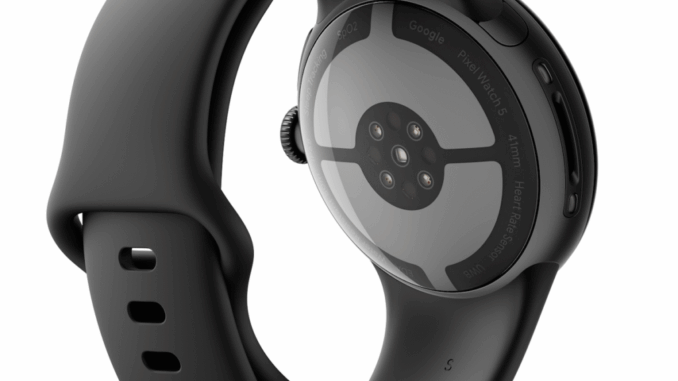
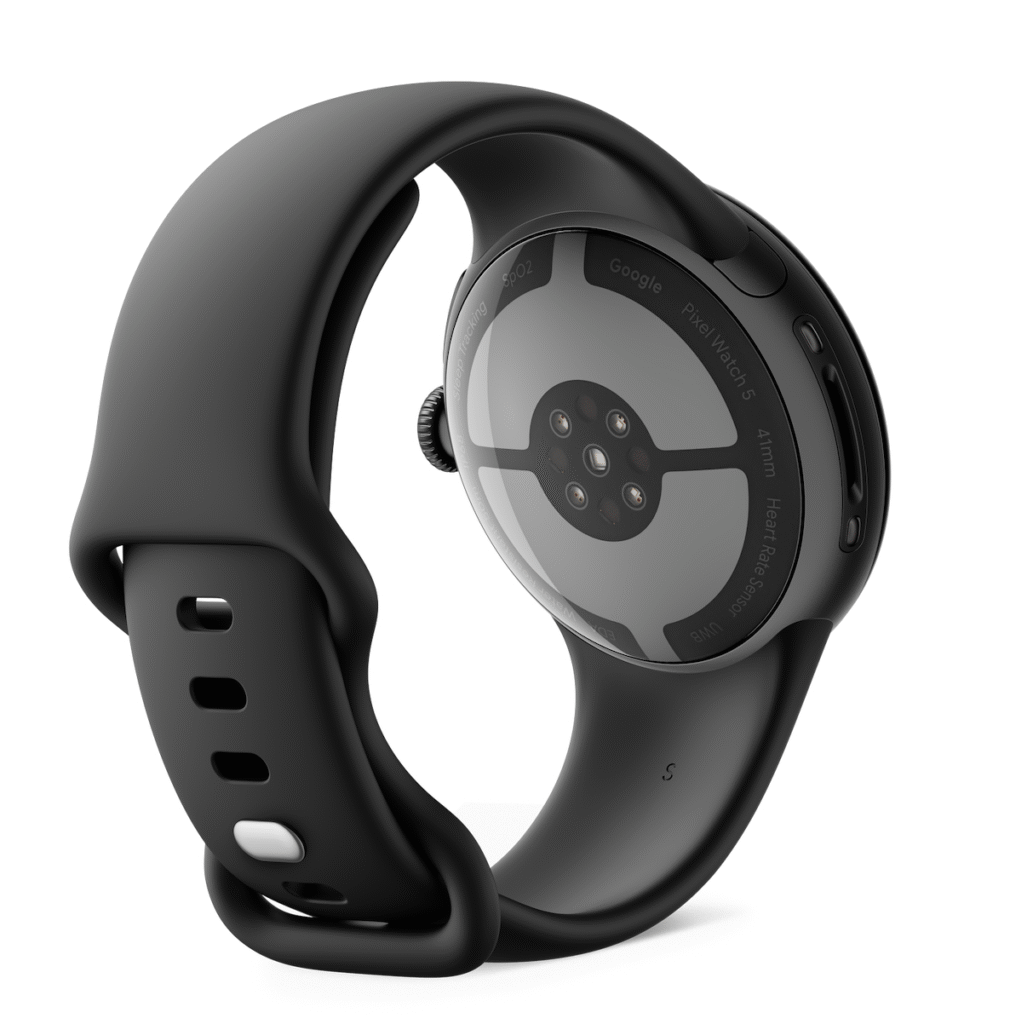
Modern wearable technology is making it easier to pay attention to everyday changes in our health and wellbeing. Google Pixel Watch and compatible Fitbit devices can collect a range of health and fitness measurements and bring them together through the Google Health app. Rather than looking at a single number, users can observe trends over time and become more aware of how sleep, activity, stress and other factors may affect their wellbeing.
In This Content
What Are Health Guardian Features?
Health Guardian features are designed to help users notice changes in their personal health metrics. Compatible Pixel Watch and Fitbit devices can track measurements such as resting heart rate, heart rate variability, breathing rate, blood oxygen saturation and skin-temperature variation. The Google Health app can then display these measurements and highlight when certain metrics move outside a person’s usual range.
This approach is useful because everyone’s normal measurements can be different. Instead of assuming that one number is healthy for everyone, tracking personal trends can provide a more meaningful picture of changes in day-to-day wellbeing.
Monitoring Your Vitals Over Time
One of the most useful aspects of wearable health technology is continuous or repeated tracking. A single reading may not tell you much about a longer-term pattern, but measurements collected regularly can reveal changes that might otherwise be easy to overlook.
Depending on the device, users can view trends involving resting heart rate, heart rate variability, breathing rate, SpO2 and skin temperature. These metrics are available through the Vitals section of the Google Health app on compatible devices.
For example, if your resting heart rate or sleep patterns change compared with your normal routine, tracking the trend can encourage you to pay closer attention to factors such as recovery, activity, stress or sleep.
Sleep Can Provide Important Clues
Sleep is another important part of understanding changes in the body. Pixel Watch and compatible Fitbit devices can track sleep duration and, depending on the device, sleep stages and Sleep Score.
Looking at sleep alongside other measurements can provide useful context. A period of poor sleep may coincide with changes in activity, recovery or perceived stress. Instead of focusing on one night’s result, users can look at patterns over several days or weeks.
This can encourage healthier habits, such as maintaining a consistent bedtime, allowing adequate recovery after demanding workouts and paying attention to how lifestyle choices affect sleep.
Understanding Stress and Body Responses
Stress can affect how people feel and perform throughout the day. Some Pixel Watch and Fitbit devices include features designed to help users understand stress and body responses.
For example, supported Pixel Watch models can use continuous electrodermal activity measurements to identify periods of body response associated with stress or excitement. Google also provides stress-related scores and other wellness insights on supported devices.
These tools do not simply tell users to worry when a measurement changes. Instead, they can encourage people to consider what was happening around that time—such as demanding exercise, lack of sleep, a stressful day or insufficient recovery.
Readiness Can Help With Recovery
For people who exercise regularly, understanding recovery can be just as important as tracking workouts. Pixel Watch provides a Readiness Score that uses factors including heart rate variability, resting heart rate and recent sleep patterns to provide an indication of recovery.
A lower readiness result may encourage a user to consider a lighter activity or additional recovery rather than pushing through another intense workout. This can help make exercise planning more responsive to how the body is recovering.
Similarly, Cardio Load can provide a broader picture of cardiovascular exertion from daily activities and workouts.
Health Alerts and Personal Trends
One major advantage of tracking personal trends is that users can become familiar with their own baseline. The Google Health app can provide notifications when certain tracked vital measurements move outside a user’s personal range.
This does not mean that every unusual measurement indicates a medical problem. Bodies naturally change, and wearable sensors have limitations. However, noticeable or persistent changes can provide information that users may choose to discuss with a healthcare professional.
Making Health Tracking More Useful
To get the most value from these features, consistency matters. Wearing a compatible device regularly and ensuring that personal information in the Google Health account is accurate can improve the usefulness of tracking. Google recommends wearing the device correctly and keeping account information up to date for more accurate activity tracking.
It is also helpful to look at trends instead of becoming overly focused on individual readings. Sleep, exercise, stress, nutrition and daily routines can all influence how a person feels.
A Tool for Awareness, Not Diagnosis
Wearable health features should be viewed primarily as wellness and tracking tools. Google specifically notes that its vitals features provide wellbeing insights and are not a substitute for professional medical advice.
If a person experiences concerning symptoms or notices persistent changes in their health measurements, they should speak with an appropriate healthcare professional rather than relying solely on a smartwatch or fitness tracker.
Conclusion
Pixel Watch and compatible Fitbit devices can make health tracking more personal by helping users observe changes in activity, sleep, heart-related metrics, breathing, skin temperature, oxygen saturation and recovery. The real value comes from understanding trends rather than reacting to one isolated number.
By regularly checking these measurements and paying attention to changes in everyday habits, users can become more aware of their wellbeing and make better-informed lifestyle decisions. Ultimately, the technology works best as an additional source of information—one that can help people notice changes and decide when it may be worth taking a closer look at their health.